Gas Detection in Mines: Why CH₄ Sensors Are Critical
Underground mining remains a high-risk industrial activity, where methane (CH₄) is one of the primary safety hazards. This colorless and odorless gas can accumulate unnoticed and form an explosive atmosphere at relatively low concentrations, making continuous monitoring essential for safe operation.
Modern methane detection systems are a core element of mine safety infrastructure. They are used to control ventilation, trigger alarms, and prevent the development of explosive conditions before critical thresholds are reached. This article explains why CH₄ sensors are mandatory in mining applications and outlines the role of catalytic and infrared detection technologies in underground safety systems.
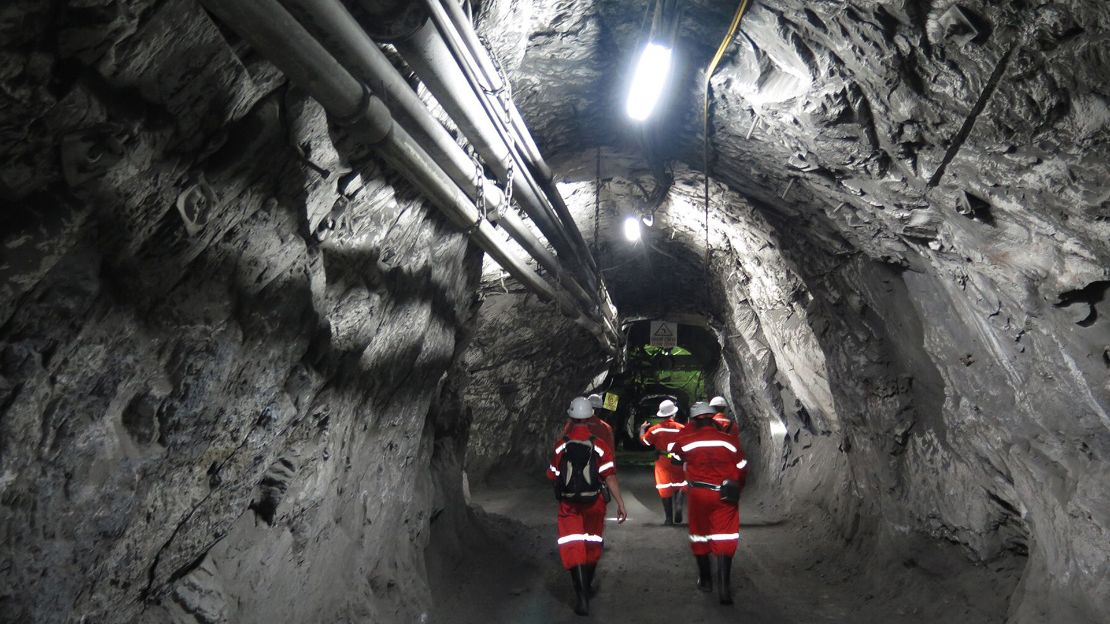
Why Methane Detection Matters in Mines
Methane is a flammable gas naturally released during coal and shale extraction. When mixed with air in concentrations of approximately 5 to 15 percent by volume, it forms an explosive atmosphere that can be ignited by common electrical or mechanical sources present in underground workings.
In mining conditions, methane accumulation creates two primary safety risks. First, it significantly increases the probability of explosions, which remain one of the main causes of major underground accidents. Second, methane displaces oxygen in confined spaces, creating an additional hazard for personnel even before explosive concentrations are reached. For these reasons, methane control has long been a mandatory element of mine safety regulations worldwide.
Continuous CH₄ monitoring is therefore a fundamental requirement in modern mines. It provides early warning of hazardous conditions and enables timely activation of ventilation and safety systems before critical thresholds are exceeded.
The Role of Gas Detection Systems in Mines
Gas detection systems form the basis of methane control in underground mines. They continuously monitor the atmosphere and provide alarm signals when CH₄ concentrations approach or exceed predefined safety thresholds.
Sensors are installed at locations where methane accumulation is most likely, including tunnels, working faces, ventilation routes, and return airways, and are complemented by portable or personal detectors used by personnel. The collected data is used to support operational decisions and automated safety actions.
When connected to ventilation control systems, methane sensors enable automatic adjustment of airflow in response to rising gas concentrations. This feedback mechanism is a core element of explosion prevention and routine mine safety management.
How CH₄ Gas Sensors Work
Methane sensors measure CH₄ concentration in the mine atmosphere in real time and provide input for alarm and ventilation control systems before hazardous levels are reached. In underground mining, two sensing principles are commonly used: catalytic (pellistor) sensors and infrared (NDIR) sensors. These technologies differ in operating mechanism, maintenance requirements, and long-term stability.
Catalytic sensors detect methane through oxidation on a heated catalytic element. The heat released during this reaction changes the electrical resistance of the sensing bead, which is converted into a concentration signal, typically expressed relative to the Lower Explosive Limit. This technology is well established and widely used in LEL-based safety systems, but it requires oxygen to operate correctly and is sensitive to catalyst poisoning and aging, which leads to regular calibration and periodic sensor replacement.
NDIR sensors determine methane concentration by measuring absorption of infrared radiation at characteristic wavelengths of CH₄. The measurement principle is non-consumptive and does not depend on oxygen concentration. As a result, NDIR sensors provide stable long-term performance with reduced maintenance requirements. Industrial NDIR sensors such as MIPEX-05 are designed for continuous operation in hazardous areas, offering intrinsic safety, digital output, and a service life exceeding that of catalytic sensors, while maintaining reliable operation in demanding underground conditions.
Types of Methane Detection Systems in Mining
| Type | Description | Typical Use | |
| Fixed CH₄ Sensors | Permanently installed sensors for continuous monitoring of methane concentration | Ventilation shafts, tunnels, return airways, working zones | |
| Portable / Handheld Detectors | Mobile detectors used for inspections and verification measurements | Routine inspections, emergency response | |
| Personal (Wearable) Detectors | Personal multi-gas detectors providing individual alarms | Direct protection of underground personnel | |
| Networked CH₄ Sensors | Fixed sensors integrated into mine safety and ventilation control systems | Centralized monitoring, ventilation control, safety interlocks |
Integration with Ventilation and Safety Systems
When methane levels approach alarm thresholds, detection systems trigger warnings and interact with ventilation control logic to increase airflow in affected zones. This integration allows methane concentration to be reduced before explosive conditions develop and supports timely operational decisions, including equipment shutdown or personnel evacuation if required.
Such closed-loop interaction between gas sensors, ventilation control, and alarm systems is a fundamental element of explosion prevention in modern mining operations.
Safety Standards and Regulations
Mining-specific operational requirements are defined by national regulators, such as MSHA in the United States, which establish mandatory rules for methane monitoring, alarm thresholds, and ventilation response in underground mines. These regulations define concentration limits at which warnings must be issued, ventilation intensified, and operations suspended to prevent the development of explosive conditions.
To ensure continued compliance and reliable operation, methane detection systems are subject to routine verification, calibration, and
Challenges in Underground Gas Detection
- High humidity and airborne dust, affecting sensor surfaces and protective elements.
- Temperature variations, caused by depth, ventilation режимы, and operating cycles.
- Limited access for maintenance and calibration in active underground workings.
- Strict power constraints, especially for intrinsically safe equipment.
Engineering approaches used to address these challenges:
- Sealed and dust-protected optical paths in NDIR sensors to maintain measurement stability.
- Temperature compensation and signal correction implemented at the sensor level.
- Intrinsically safe, low-power sensor designs suitable for continuous underground operation.
- System architectures minimizing manual intervention and maintenance frequency.
Future of Methane Detection in Mines
Key directions of development include:
- Expanded use of NDIR sensors with long-term stability and reduced calibration frequency in fixed mine installations.
- Deeper integration with ventilation and safety control systems, enabling faster and more consistent response to rising CH₄ concentrations.
- Improved diagnostics and health monitoring at the sensor level, allowing early detection of faults and degradation.
- Deployment in hard-to-access areas, reducing the need for manual inspection while maintaining continuous monitoring.
In practice, the future of methane detection in mines is driven by incremental improvements in sensor robustness, intrinsic safety, and system integration, with NDIR technology increasingly used as a stable reference for continuous industrial monitoring.
Case Study: How Methane Detection Prevented a Mining Disaster
In 2023, an underground coal mine in Eastern Europe upgraded its methane monitoring infrastructure by deploying a fixed NDIR CH₄ detection system integrated with the mine ventilation control system. The sensors were installed in remote sections with limited access and continuous methane release risk.
During routine operation, elevated methane concentration was detected in a poorly ventilated zone. The detection system triggered an automatic increase in airflow and generated an alarm at the control room, allowing operators to stabilize conditions without interrupting production.
As a result, methane concentration was reduced before reaching critical thresholds, no personnel were exposed to hazardous conditions, and no unplanned downtime occurred. The incident confirmed the effectiveness of continuous NDIR-based methane monitoring as part of an integrated mine safety system.
Conclusion
Methane remains a critical hazard in underground mining due to its explosive properties and tendency to accumulate in confined spaces. Effective control of CH₄ concentration relies on continuous monitoring and reliable integration of gas detection systems with ventilation and safety controls.
Catalytic sensors continue to be used in LEL-based explosion protection systems where regular maintenance is available. NDIR sensors provide stable, long-term methane monitoring with reduced maintenance requirements and reliable operation in demanding underground conditions. In modern mining practice, safety systems often combine both technologies to address different operational tasks within a single protection architecture.
The selection and deployment of methane detection technology should be based on regulatory requirements, environmental conditions, and lifecycle considerations to ensure consistent protection of personnel and infrastructure.