Home / Media
Media
MIPEX-05 sensors received IECEx and ATEX certificates
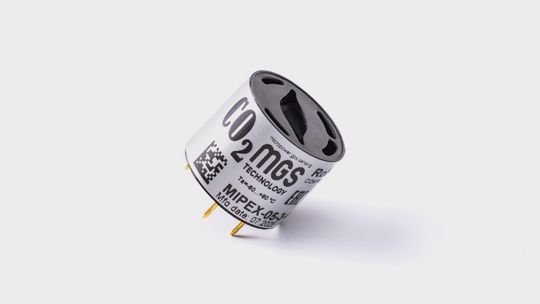
MGS Technology informs that the MIPEX-05 micro-power NDIR gas sensors have received IECEx and ATEX certificates, confirming compliance with international and European standards for use in potentially explosive atmospheres.
Catalytic vs NDIR Methane Sensors: Which Is Better?
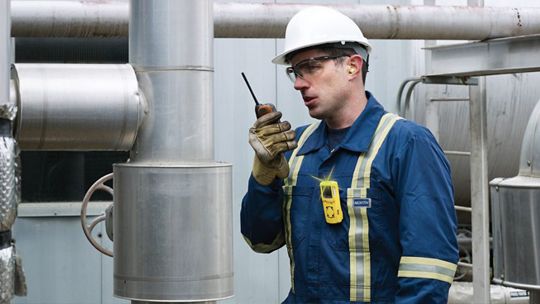
Methane (CH₄) monitoring is a key element of industrial safety, environmental control, and process supervision. Due to its flammability and wide explosive range, methane requires continuous and reliable concentration measurement in both confined and open industrial environments. In addition to explosion hazards, methane emissions are subject to increasing regulatory control because of their environmental impact.
Gas Detection in Mines: Why CH₄ Sensors Are Critical
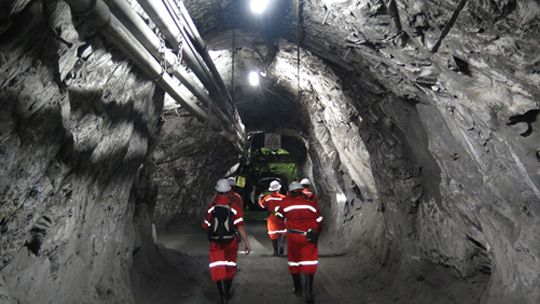
Underground mining remains a high-risk industrial activity, where methane (CH₄) is one of the primary safety hazards. This colorless and odorless gas can accumulate unnoticed and form an explosive atmosphere at relatively low concentrations, making continuous monitoring essential for safe operation.
Industrial Use of Propane Gas Sensors

Propane (C₃H₈) is widely used in industrial facilities as a fuel and process gas, particularly in LPG storage, manufacturing, and chemical operations. Due to its flammability and tendency to accumulate near the ground, uncontrolled propane leaks represent a serious explosion and fire hazard.
Propane Gas Monitoring in Storage Facilities

Propane (C₃H₈) is widely stored and handled at industrial LPG terminals, tank farms, and distribution facilities. Due to its flammability and higher density compared to air, uncontrolled propane leaks in storage areas present a significant explosion and fire hazard, especially in confined or poorly ventilated zones.
How CO₂ Gas Sensors Work: NDIR Principle Explained

Monitoring carbon dioxide (CO₂) is an established requirement in industrial safety systems and in applications where CO₂ concentration is used as a control parameter. Most professional CO₂ sensors rely on NDIR (Non-Dispersive Infrared) technology due to its measurement stability and long service life.
Integrating Gas Sensors into IoT Platforms
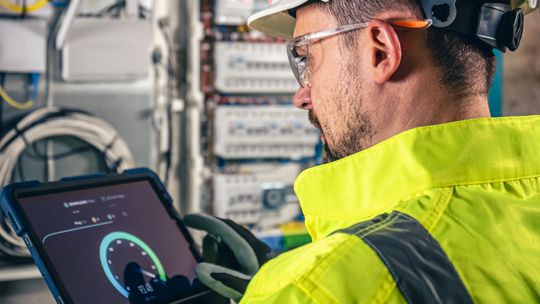
Gas detection systems are increasingly deployed as part of IoT platforms rather than as standalone devices. In modern installations, gas sensors are integrated into distributed networks that combine sensing hardware, communication infrastructure, and centralized data processing.
NDIR vs Electrochemical Gas Sensors: Key Differences Explained
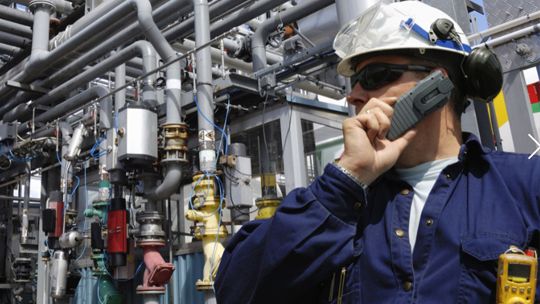
Gas sensors are widely used for monitoring gas concentrations in industrial processes, safety systems, laboratories, and building infrastructure. Different sensing technologies are applied depending on the target gas, required accuracy, operating conditions, and system constraints.
Different Types of Gas Sensors Explained
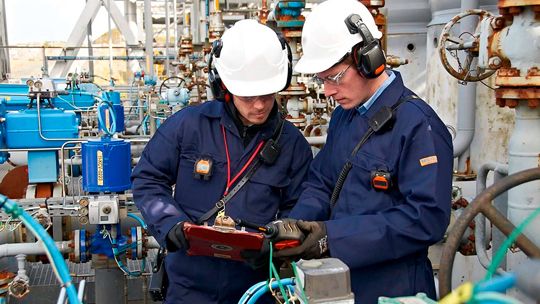
Gas sensors are a fundamental element of industrial safety, environmental monitoring, and process control systems. They are used to detect toxic and combustible gases, monitor air composition, and provide early warning in hazardous environments.
How to Choose a Propane Sensor for Safety Systems

Propane (C₃H₈) is an efficient and versatile fuel used in heating systems, industrial applications, and residential energy solutions.But despite its usefulness, propane is also highly flammable and heavier than air, meaning even a small leak can create a dangerous accumulation near the ground.
Gas Sensor Safety Standards Explained

Gas sensors play a crucial role in protecting lives, property, and the environment in industries where hazardous gases are present.From oil refineries to laboratories, safety-certified gas detectors ensure reliable performance even in explosive or toxic atmospheres.
Gas Sensors for Warehouses and Logistics Centers
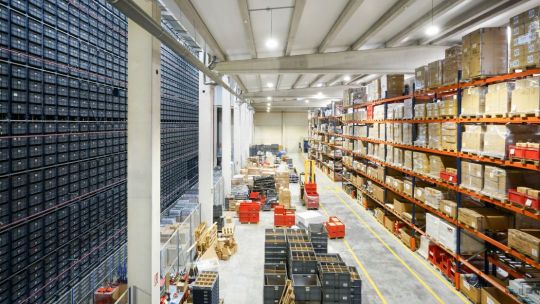
One forklift malfunction in a closed storage area. One unnoticed propane (C₃H₈) or methane (CH₄) leak from equipment, or a rise in carbon dioxide (CO₂) levels in a poorly ventilated space — that’s all it takes to put workers at risk. Installing the right gas sensor is not optional — it’s a basic part of operational safety.
Gas Sensors for the Chemical Industry
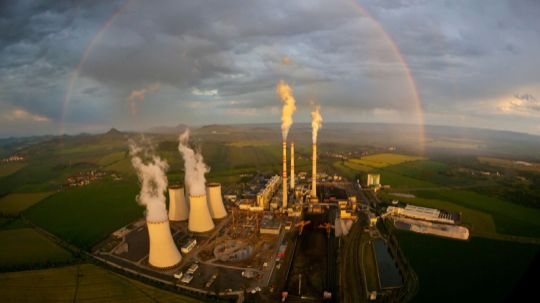
Leaks don’t always come with a warning. In chemical plants, even a small unnoticed release can lead to toxic exposure, fire, or downtime. That’s why choosing the right gas sensor chemical industry solution isn’t just important — it’s essential for safety and process control.
Gas Leak Sensors in Industrial Environments
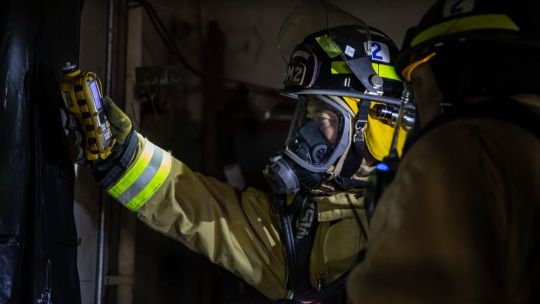
In a processing plant, one unnoticed leak can escalate into a shutdown — or worse. Selecting and maintaining the right industrial gas leak sensor is essential for keeping people safe and systems running.
How to Choose a Gas Sensor for Industrial Facilities

In industrial facilities, safety often depends on what you cannot see or smell. A tiny gas leak in a poorly ventilated area can lead to fire, poisoning, or forced shutdowns. Selecting the right gas sensor for production is a critical part of any facility’s risk..
Upcoming: SENSOR CHINA 2025 — Expanding to the Asian Market

📍Shanghai, China | September 2025
MGS Technology is heading toSENSOR CHINA 2025to strengthen its presence in the Asian market. We will present our latest NDIR sensors for industrial safety and smart gas detection. Visitors can meet our team and see ...
SENSOR+TEST 2025: MGS Technology Returned with New Sensor
📍Nuremberg, Germany | June 10–12, 2025
At SENSOR+TEST 2025, MGS Technology introduced several sensor updates, including the MIPEX 1S and an upcoming commercial line. Our booth again became aunitingpoint for discussions around energy efficiency, compac...
Product introduction: MIPEX 05 for Portable and Wireless Detectors
📢 June 2024
MIPEX 05, a new generation of NDIR sensors optimized for ultra-low power applications, wasintroduced during Sensor+Test 2024 in Nuremberg. With power consumption as low as 0.1 mW, MIPEX 05 supports reliable CH₄, CO₂, and C₃H₈ detection in ba...
SENSOR+TEST 2024: MGS Technology Presented Latest MIPEX Line Sensors
📍Nuremberg, Germany | June 11–13, 2024
MGS Technology took part in SENSOR+TEST 2024, joining over 380 exhibitors to showcase cutting-edge gas detection solutions. Visitors to booth 1-113 explored the MIPEX sensor line, including ultra-low power NDIR sen...