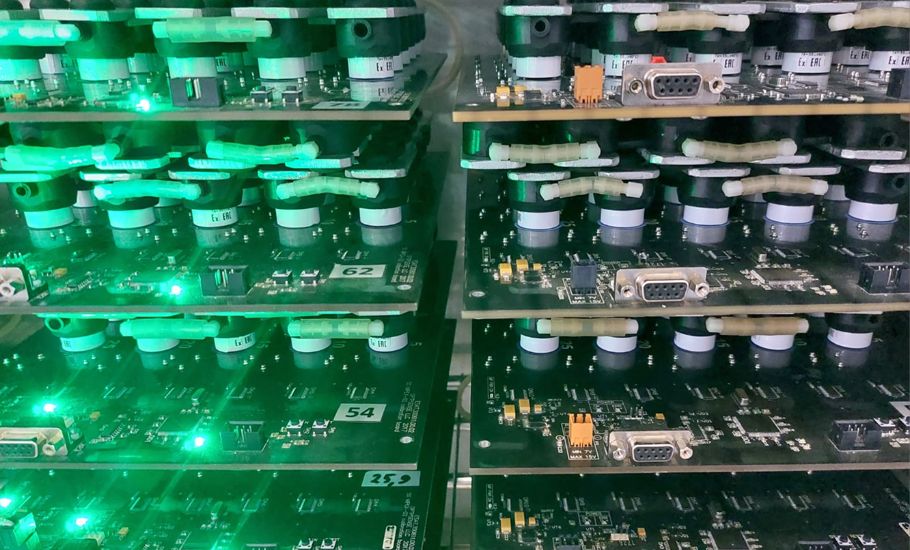
Our products

NDIR GAS sensors are used for gases

Features

MIPEX Sensors: Detect methane, hydrocarbons, and CO2, offering resistance to water vapor, optical contamination, and temperature fluctuations.

Long-Term Reliability: The LED technology maintains consistent quality over time, ensuring the sensor does not lose measurement accuracy or metrological stability.

Precision Methodology: Differential dual-wavelength technology eliminates non-selective interferences, guaranteeing high accuracy and reliability.

Products

NDIR Gas Sensors

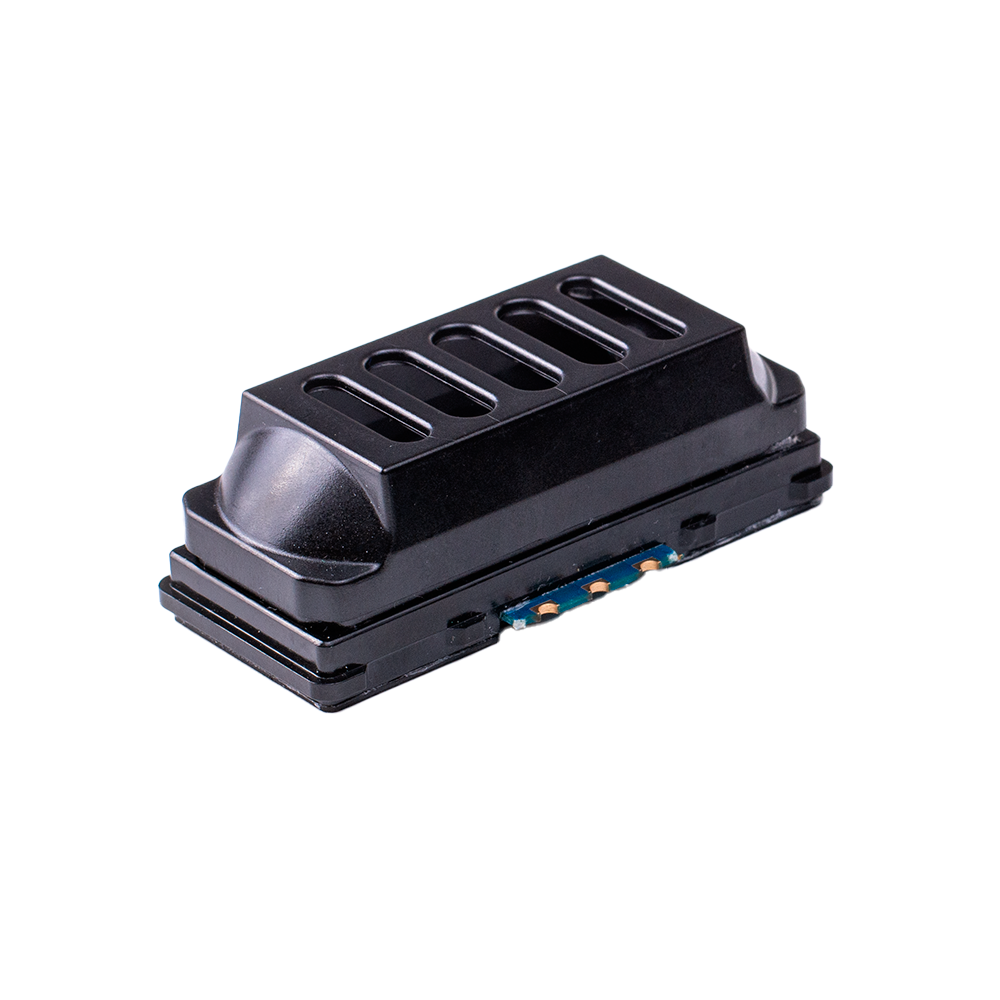
MIPEX-02

MIPEX-02 is an low power infrared gas sensor designed for long-term reliability in aggressive operating conditions measuring hydrocarbon.
GET AN OFFERDETAILS
MIPEX-04

MIPEX-04 is an ultra-low power infrared gas sensor developed for use in portable individual detectors and wireless combustible gas monitoring systems.

GET AN OFFERDETAILS
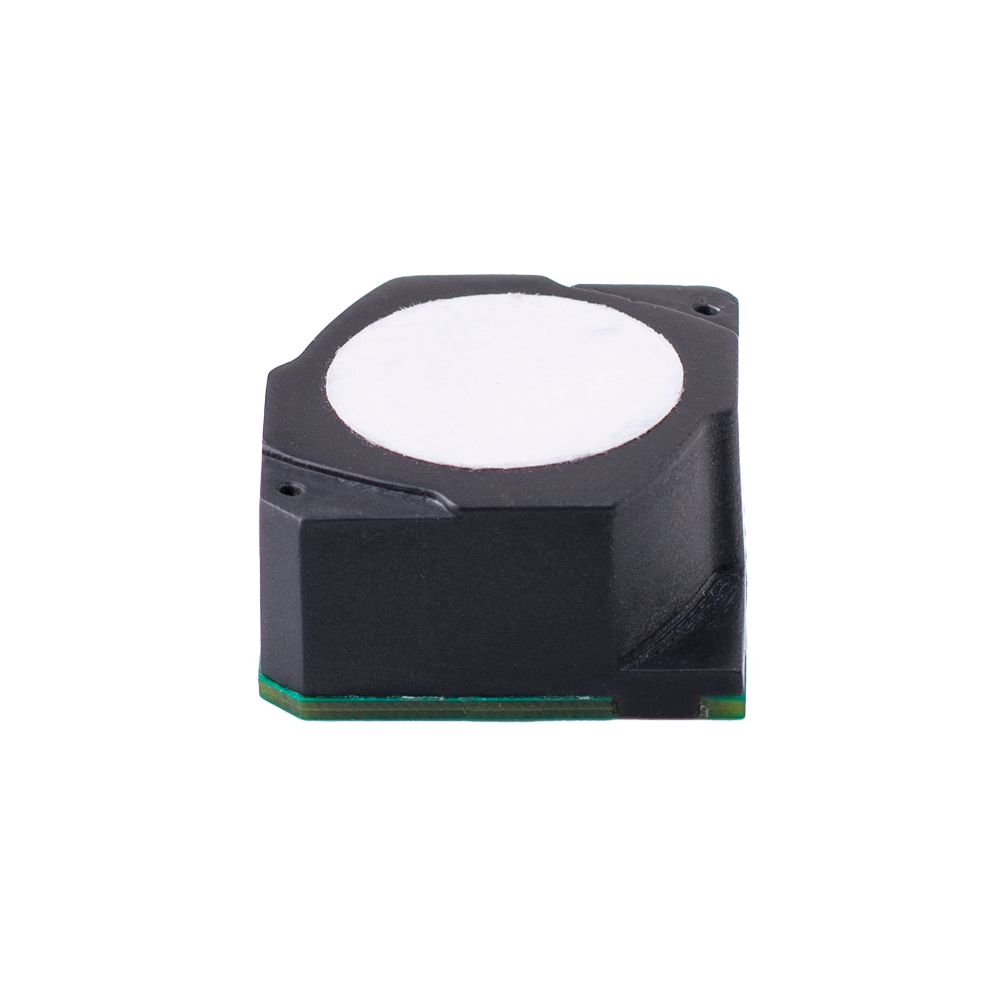
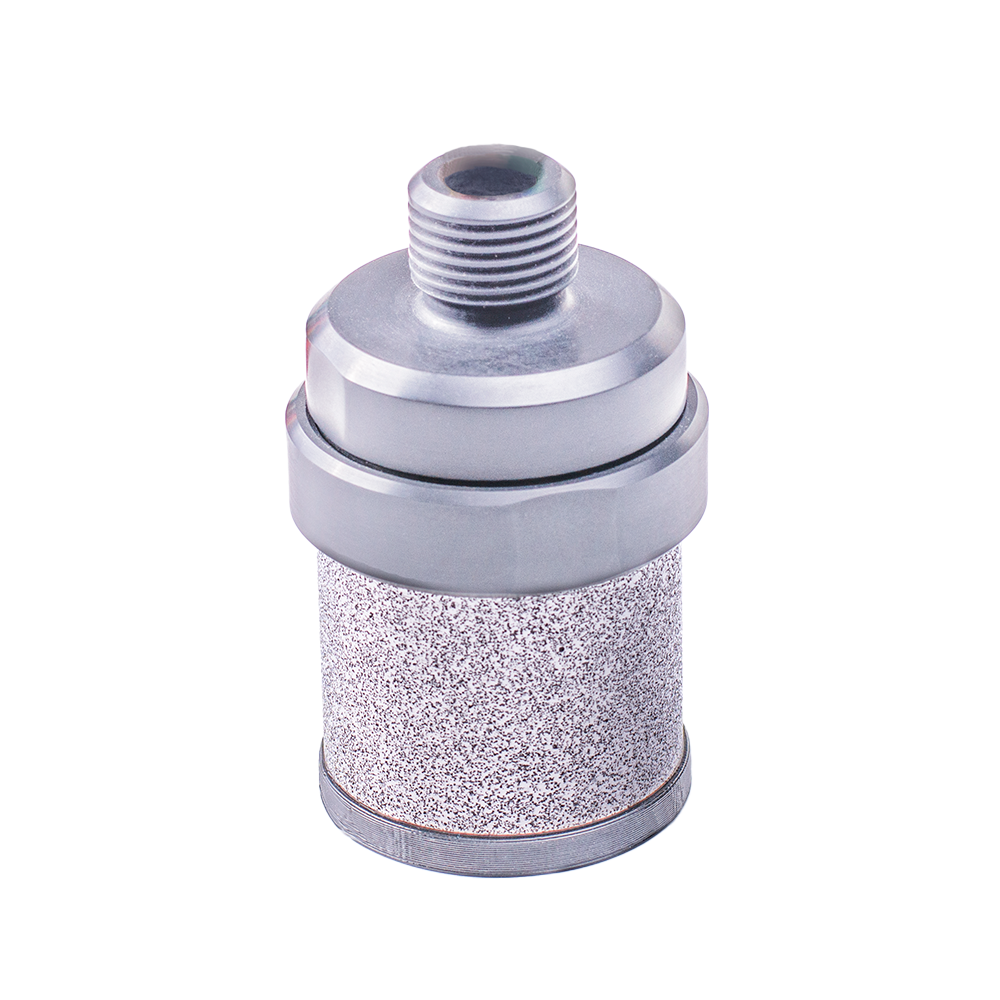
MIPEX-05

MIPEX-05 is an ultra-low power infrared gas sensor designed for automatic continuous measurement of hydrocarbon concentrations in hazardous areas.
GET AN OFFERDETAILS
MIPEX-04 ppm
Next-generation ultra-low-power NDIR sensor for methane and propane detection in industrial safety applications.
GET AN OFFERDETAILS
MIPEX-1H
MIPEX 1H is a compact infrared sensor designed for measuring methane, propane, and carbon dioxide concentrations in small-sized and portable gas detectors.
GET AN OFFERDETAILS
MIPEX-1F
MIPEX 1F – a ready-to-use optical measurement module for industrial safety, designed for automatic continuous monitoring of hydrocarbon concentrations in explosive atmospheres.
GET AN OFFERDETAILS

Company

MGS Technology is an international group of companies that develops gas sensing solutions focusing on ultra-low power consumption. The main production is located in Serbia, and our manufacturing partner, SIA MIPEX, produces the MIPEX sensor range in Latvia.

World's lowest power consumption
Smart controller, digital interface
«ia»
Intrinsic safety
Long-term
stability
Company

MISSION AND GOALS

Our Mission

We contribute to a safer and more sustainable world by delivering gas sensors that enhance industrial safety and support environmental protection.

Promote Energy Efficiency

Our sensors prioritize energy efficiency, enabling industries to uphold the highest safety standards while minimizing energy consumption.

Environmental Responsibility

Ultra-low power sensors minimize energy consumption, helping to reduce the environmental footprint of gas detection devices.

Create a Positive Impact on the Planet

By minimizing energy usage and enhancing safety standards, we actively support a more sustainable and environmentally friendly future.

Enhance Industrial Safety

We focus on enhancing workplace safety by providing industries with advanced gas detection technology designed to prevent accidents, protect lives, and reduce environmental harm.

Safety

Dedicated to preventing industrial accidents and protecting workers in high-risk environments through reliable gas detection solutions.

At MGS, we don’t just sell sensors — we build long-term partnerships based on trust and performance
Sales Manager, DACH Region

Lukas Reinhardt

Represents the Sales Department. Specializes in supporting gas detection equipment manufacturers and distributors in the industrial safety sector.
Our job is to make integration seamless — so your device just works, every time.
Field Application Engineer, Eastern Europe

Tomáš Kral

Technical integration specialist. Supports customers during sensor implementation — from initial evaluation to system-level integration and interface configuration.
Innovation is not just a goal — it’s a responsibility to our partners and their end users.
Lead Research Engineer, Optical Sensing Technologies

Mateo Rossi

R&D representative. Leads the development of next-generation NDIR sensors, focusing on optical architecture, energy efficiency, and long-term signal stability.
Efficient logistics is invisible — because everything arrives exactly when and where it should.
Logistics & Supply Chain Coordinator, EU Operations

Élodie Moreau

Efficient logistics is invisible — because everything arrives exactly when and where it should.
Company

News and articles

Gas Detectors for the Food Industry: Safety and Compliance
In food processing plants, gases are everywhere — used for chilling, packaging, fermenting, and sterilizing. But these same gases can pose hidden dangers. A minor leak from a CO₂ tank, unnoticed ammonia buildup in cold storage, or depleted oxygen in nitrogen-flushed areas can seriously affect worker...
Gas Sensors for Warehouses and Logistics Centers
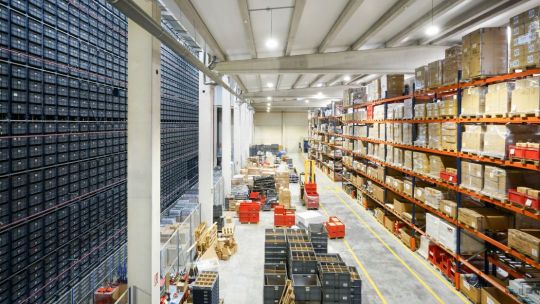
One forklift malfunction in a closed storage area. One unnoticed propane (C₃H₈) or methane (CH₄) leak from equipment, or a rise in carbon dioxide (CO₂) levels in a poorly ventilated space — that’s all it takes to put workers at risk. Installing the right gas sensor is not optional — it’s a basic part of operational safety.
Gas Sensors for the Chemical Industry
Leaks don’t always come with a warning. In chemical plants, even a small unnoticed release can lead to toxic exposure, fire, or downtime. That’s why choosing the right gas sensor chemical industry solution isn’t just important — it’s essential for safety and process control.
Gas Leak Sensors in Industrial Environments
In a processing plant, one unnoticed leak can escalate into a shutdown — or worse. Selecting and maintaining the right industrial gas leak sensor is essential for keeping people safe and systems running.
How to Choose a Gas Sensor for Industrial Facilities
In industrial facilities, safety often depends on what you cannot see or smell. A tiny gas leak in a poorly ventilated area can lead to fire, poisoning, or forced shutdowns. Selecting the right gas sensor for production is a critical part of any facility’s risk..
Upcoming: SENSOR CHINA 2025 — Expanding to the Asian Market
CHINA 2025.jpg
📍Shanghai, China | September 2025MGS Technology is heading toSENSOR CHINA 2025to strengthen its presence in the Asian market. We will present our latest NDIR sensors for industrial safety and smart gas detection. Visitors can meet our team and see ...

FAQ

1 Why do MIPEX optical gas sensors have such low power consumption?

Traditional optical sensors typically use miniature incandescent lamps as a radiation source, which are relatively inefficient. The MIPEX sensors use LED-based infrared sources, operating in an ultra-short pulse mode, which achieve significantly higher efficiency in converting electrical current into infrared radiation within the required spectral range. In addition, the sensors feature an optimised optical path, a high-sensitivity photodetector (up to 10× more sensitive than traditional pyroelectric detectors), advanced signal processing algorithms, and other proprietary technologies that enable ultra-low power consumption without compromising measurement performance.

2 How does moisture affect the performance of a MIPEX optical gas sensor?

The MIPEX sensor uses an optical design and spectral analysis method that minimises the effects of condensation on gas measurements. Like all optical sensors, MIPEX are sensitive to water — including condensation and droplets — which may lead to temporary signal drift and inaccurate readings until the moisture fully evaporates from the optical surfaces.

3 What happens to the sensor during sudden temperature changes?

The MIPEX optical gas sensor is equipped with an integrated temperature compensation system. During abrupt temperature fluctuations, individual components of the sensor may respond at different rates, which can temporarily disrupt compensation accuracy. In such cases, the sensor will indicate a status alert showing a rapid temperature change, with a potential for temporary measurement inaccuracy.
When a temperature shift occurs in a high-humidity environment, condensation may form on the optical surfaces, resulting in temporary signal drift. This condition typically resolves once the condensation has fully evaporated.

4 How does gas pressure affect the readings of the MIPEX optical gas sensor?

The sensor measures gas concentration based on partial pressure, meaning its readings are directly proportional to the total ambient pressure. For example, if the sensor reads 2.0% vol. at 1.0 atm, the same gas mixture at 1.1 atm will read 2.2% vol.

5 Is it necessary to calibrate the MIPEX optical gas sensor after it has been installed in the equipment?

Yes. MIPEX sensor calibration includes two steps: zero adjustment and span (scale) adjustment. Calibration is required during the initial integration of the sensor into a gas detection device, and also prior to system-level calibration of the equipment.

5 When should a zero adjustment be carried out?

Yes. MIPEX sensor calibration includes two steps: zero adjustment and span (scale) adjustment. Calibration is required during the initial integration of the sensor into a gas detection device, and also prior to system-level calibration of the equipment.

Whether you need product support, technical documentation, or general company information — we’re just a few clicks away.

CRM-форма появится здесь
We use cookies
Cookie preferences
Below you may find information about the purposes for which we and our partners use cookies and process data. You can exercise your preferences for processing, and/or see details on our partners' websites.
Analytical cookies Disable all
Functional cookies
Other cookies
By submitting this form, I confirm that I have read and understood the Privacy Policy. I voluntarily consent to the processing of my personal data (including name, email, phone number, and message content) by MGS Technology for the purpose of responding to my inquiry. Learn more about our cookie policy.
I understand Details
Cookies