

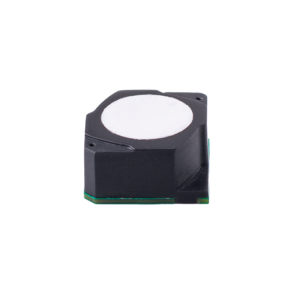


Propane is a colorless, odorless hydrocarbon widely used as an energy carrier across industrial applications. Produced during natural gas processing and petroleum refining, propane serves for heating, powering machinery and local electricity generation at industrial sites. Because propane is flammable, reliable leak detection based on a dedicated hydrocarbon sensor is essential for industrial safety and process continuity.
MGS Technology supplies propane gas sensor modules and complete hydrocarbon gas sensor solutions that use NDIR optical sensing. An NDIR sensor offers an optical, non‑reactive measurement method particularly well suited to detection of gases in the hydrocarbon family. When integrated into gas detection equipment and a gas detection unit, the ndir gas sensor becomes a robust element of a plant’s safety architecture.
Why monitor propane with a dedicated propane sensor?
Early and accurate detection of propane leaks prevents escalation and reduces downtime. A propane gas sensor specifically tuned to C3H8 absorption bands delivers fast and reliable warnings and supports automated mitigation. Key operational motivations:
- Explosion prevention: a combustible gas detector or combustible gas sensor that senses propane at low ppm levels enables automatic shutdown and ventilation before concentrations reach hazardous limits.
- Worker health protection: a hydrocarbon sensor maintains occupational air quality and prevents asphyxiation or toxic exposure risks associated with displaced oxygen.
- Regulatory compliance and cost control: continuous monitoring with proper gas detection equipment reduces the chance of regulatory fines and minimizes losses from undetected leaks.
- Emergency preparedness: a monitoring sensor network with propane sensors feeds central alarm logic and enables coordinated response.
NDIR propane sensor benefits for industrial use
NDIR propane sensors (infrared gas sensor / sensor ndir) detect hydrocarbons by measuring infrared absorption at characteristic wavelengths. When implemented as part of gas detection units and gas proving units, ndir gas sensors bring several advantages:
- Selectivity: optical gas detection discriminates propane and other hydrocarbons from interferents, reducing false alarms compared with some catalytic or semiconductor detectors.
- Long service life and low drift: an infrared hydrocarbon sensor typically requires fewer calibrations, lowering total cost of ownership for gas detection equipment.
- Fast response in ppm ranges: ppm sensor capability allows early detection and precise concentration reporting.
- Environmental robustness: properly packaged ndir modules maintain performance across wide temperature and humidity ranges and are suitable for mining sensors and sensors in oil and gas industry installations.
- Integration readiness: modern mipex sensor modules and similar compact sensor units offer digital outputs and low‑power operation for IoT deployments (iot gas sensor / gas sensor in iot).
MGS MIPEX propane sensor family — features and applications
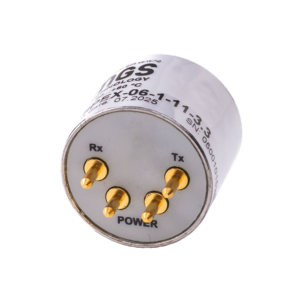
MGS designs mipex sensor modules and gas sensor units to meet portable and fixed system requirements. Typical product characteristics include ultra‑low power consumption, on‑board microcontroller, digital interface (UART/SPI/I2C), and LED light sources for reliable optical excitation. Representative use cases:
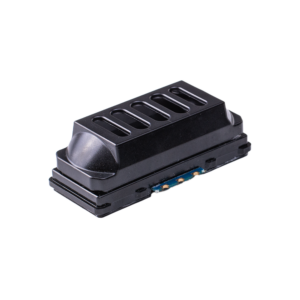
- MIPEX‑05: compact propane sensor optimized for automated leak detection and portable analyzers; extremely low power for battery‑operated combustible gas detector designs.
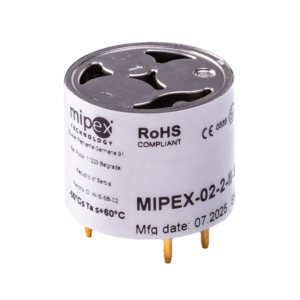
- MIPEX‑02: optical propane gas sensor tuned for industrial safety with extended temperature range; suitable as a core element of a stationary gas detection unit or emission sensors array.
- MIPEX‑04: rugged hydrocarbon sensor for IoT gas sensor integrations and portable monitoring devices; designed for harsh environments such as mining sensors or oilfield inspection tools.
Design considerations when specifying a propane gas sensor
When selecting a propane sensor (hydrocarbon sensor / propane sensor) for a gas detection project, engineers should evaluate:
- Detection range and sensitivity (ppm sensor capability vs % LEL): choose sensor ppm performance that meets early‑warning requirements.
- Selectivity and cross‑sensitivity: optical gas detection typically reduces cross‑sensitivity to non‑hydrocarbon interferents.
- Environmental tolerance and packaging: ingress protection, operating temperature, and humidity tolerance for the intended deployment (surface plant, confined space, mine).
- Integration and communications: digital gas sensor outputs and compatibility with plant SCADA, gas proving unit procedures, or IoT telemetry (gas sensor iot).
- Power budget and form factor: compact sensor modules for portable combustible gas detectors require low average current draw and small footprint.
Where propane and hydrocarbon gas sensors are applied
Hydrocarbon gas sensors and propane gas sensors are used in:
- Process plants and refineries for continuous monitoring and emission sensors networks.
- Gas distribution and LPG storage facilities for perimeter and tunnel monitoring.
- Mining operations where mining sensors must detect fuel‑related leaks in confined environments.
- Portable gas detector sensor devices and handheld analyzers carried by inspection and maintenance teams.
Conclusion
A propane gas sensor based on ndir optical gas detection provides accurate, low‑drift measurement of hydrocarbon concentrations and is well suited for integration into both portable combustible gas detector products and fixed gas detection equipment. MGS Technology’s mipex sensor family delivers compact sensor modules, digital gas sensor interfaces and power‑efficient operation required by modern industrial monitoring sensor networks and IoT gas sensor applications. For project support, MGS can advise on sensor selection, integration into gas detection units and commissioning procedures that meet industrial safety standards.